The bond between humans and animals is one of the most profound and enduring connections in existence. For centuries, pets have served as our companions, protectors, and sources of unconditional love. However, millions of animals find themselves in shelters every year, waiting for a place to call home. Choosing to adopt a pet rather than purchasing one from a breeder or a pet store is more than just a transaction; it is a powerful act of compassion that reshapes the lives of both the animal and the adopter.
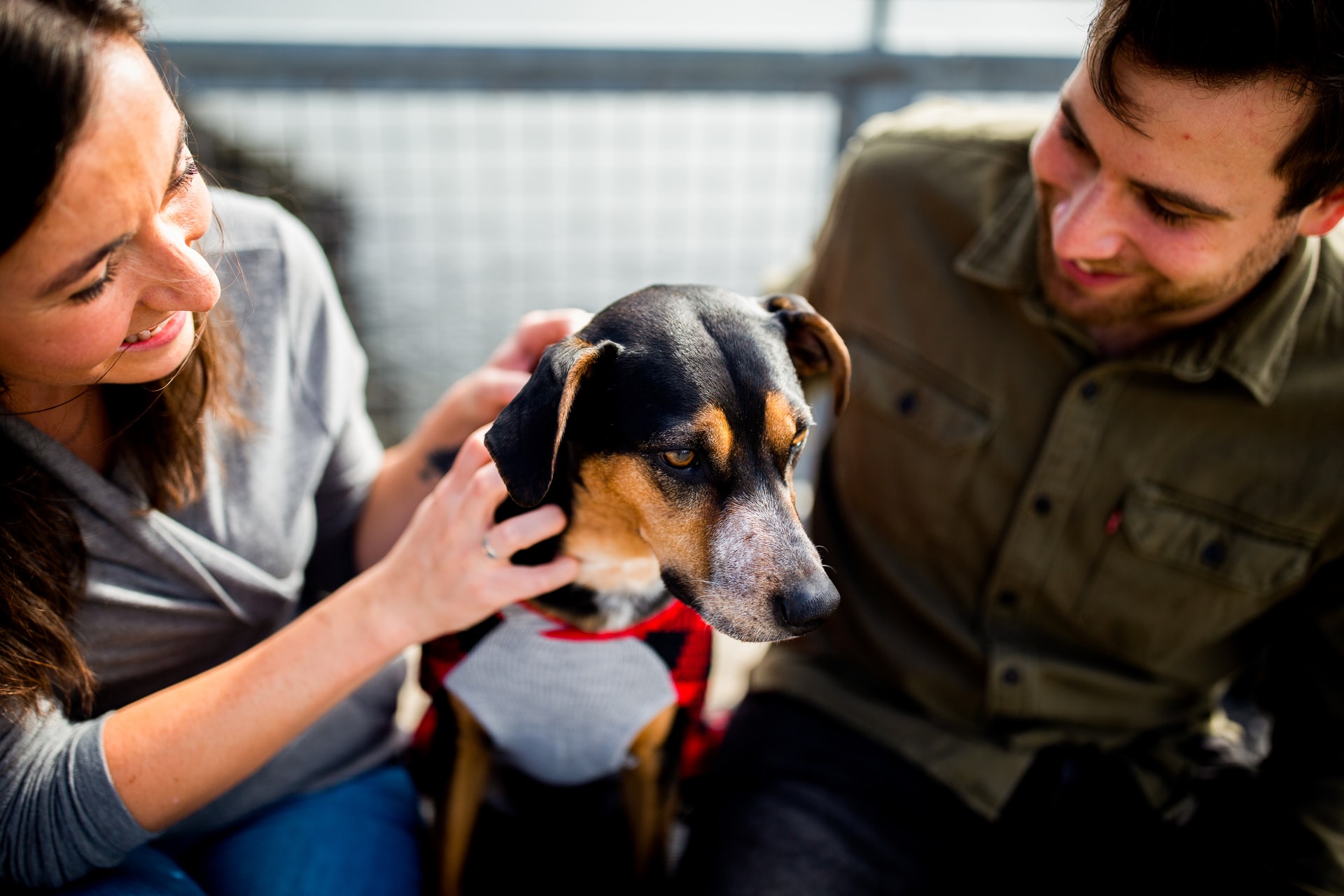
Adoption is a multifaceted journey that requires preparation, patience, and a deep commitment. Understanding the impact of this choice—and the steps involved—is essential for anyone considering bringing a new four-legged member into their family.
The Moral and Social Impact of Adoption
When you choose to adopt from a shelter or a rescue organization, you are participating in a solution to a global problem. Overpopulation in shelters often leads to overcrowding, which can result in high stress for the animals and, in many unfortunate cases, euthanasia.
By adopting, you are “saving a life” twice over. First, you are giving a home to the animal you take with you. Second, you are freeing up space and resources in the shelter for another animal in desperate need. Furthermore, adoption helps combat the unethical practices of “puppy mills” and “kitten factories,” which prioritize profit over the health and welfare of the animals. Choosing adoption sends a clear message that the life of an animal is not a commodity, but a responsibility.
Finding the Perfect Match: More Than Meets the Eye
One of the greatest misconceptions about shelter animals is that they are all “damaged” or have behavioral issues. In reality, most animals end up in shelters due to human circumstances: a move, a change in financial status, or an owner passing away.
Shelters today are highly sophisticated in their matching processes. Unlike buying a puppy from a store where you know little about its temperament, shelter staff spend significant time with their residents. They can provide insights into an animal’s personality, activity level, and how they react to children or other pets. Whether you are looking for a high-energy running partner or a calm, senior cat to lounge with on the sofa, a rescue organization can help you find a companion that fits your specific lifestyle.
The Hidden Advantages of Adopting Adult Pets
While the appeal of a tiny puppy or kitten is undeniable, there are immense practical advantages to adopting an adult or senior animal. Adult pets often come with “pre-installed” skills. Many are already house-trained, understand basic commands, and have moved past the destructive chewing or scratching phases common in infancy.
Furthermore, with an adult pet, “what you see is what you get.” Their physical size, coat type, and temperament are already established. This removes the guesswork often associated with young animals whose personalities may shift as they mature. Senior pets, in particular, are often the most overlooked in shelters, yet they are frequently the most grateful and easy-going companions, making them ideal for first-time owners or those with a more relaxed pace of life.
Financial and Health Benefits of Adoption
From a practical standpoint, adoption is significantly more cost-effective than purchasing a pet. Breeders can charge thousands of dollars for a specific pedigree. In contrast, adoption fees are relatively low and almost always include essential veterinary services that would otherwise cost hundreds of dollars out of pocket.
Most shelter animals are spayed or neutered, vaccinated, and microchipped before they are allowed to go to their new homes. Many organizations also include a preliminary health screening and heartworm or FeLV/FIV testing. Additionally, mixed-breed animals—which make up the majority of shelter populations—often enjoy “hybrid vigor.” This means they are frequently less prone to the genetic health issues that plague purebred animals, potentially saving the owner significant veterinary costs over the animal’s lifetime.
Preparing Your Home and Heart
Adopting a pet is a long-term commitment that can span fifteen years or more. Before bringing a pet home, it is vital to conduct an honest assessment of your environment.
- Space and Time: Does your living situation allow for the type of pet you want? A large dog may struggle in a small apartment without frequent exercise, while a highly social bird or cat may become depressed if left alone for ten hours a day.
- Financial Readiness: Beyond the adoption fee, you must budget for food, annual vet visits, grooming, and emergency medical funds.
- The Adjustment Period: Experts often refer to the “3-3-3 Rule.” It takes three days for a pet to decompress, three weeks to learn your routine, and three months to truly feel at home. Patience during this transition is the key to a successful bond.
The Psychological Reward of a Rescue
The psychological benefits of pet ownership are well-documented: reduced stress, lower blood pressure, and increased social interaction. However, there is a unique emotional layer to owning a rescued pet. Owners of adopted animals often speak of a “rescue bond”—a deep, mutual sense of gratitude.
Knowing that you were the one to step in when an animal was at its most vulnerable creates a profound sense of purpose. For many, a pet becomes the catalyst for a more active and mindful life. The simple act of a previously timid dog finally wagging its tail or a shy cat finally curling up in your lap provides a level of emotional fulfillment that is hard to find elsewhere.
Conclusion
Adopting a pet is a transformative experience that ripples through the community. It is a decision that values life, promotes ethical treatment, and brings immense joy into a household. While the process requires due diligence and a shift in daily routine, the return on investment is a loyal companion who will offer a lifetime of devotion.
If you are ready for the responsibility, visit your local shelter. Look past the bars of the kennels and into the eyes of the animals waiting there. You aren’t just looking for a pet; you are looking for a new chapter in your life. By choosing to adopt, you aren’t just changing an animal’s world—you are allowing them to change yours. In the end, it is often hard to tell who rescued whom.
