For centuries, Asia has been a continent of mystery, biodiversity, and breathtaking landscapes. From the dense tropical rainforests of Indonesia to the arid plains of Central Asia, the region is home to some of the most fascinating creatures on Earth. In recent years, the interest in “exotic pets“—animals that are not traditionally domesticated like dogs or cats—has surged globally. Many of these sought-after companions trace their origins back to the Asian continent.
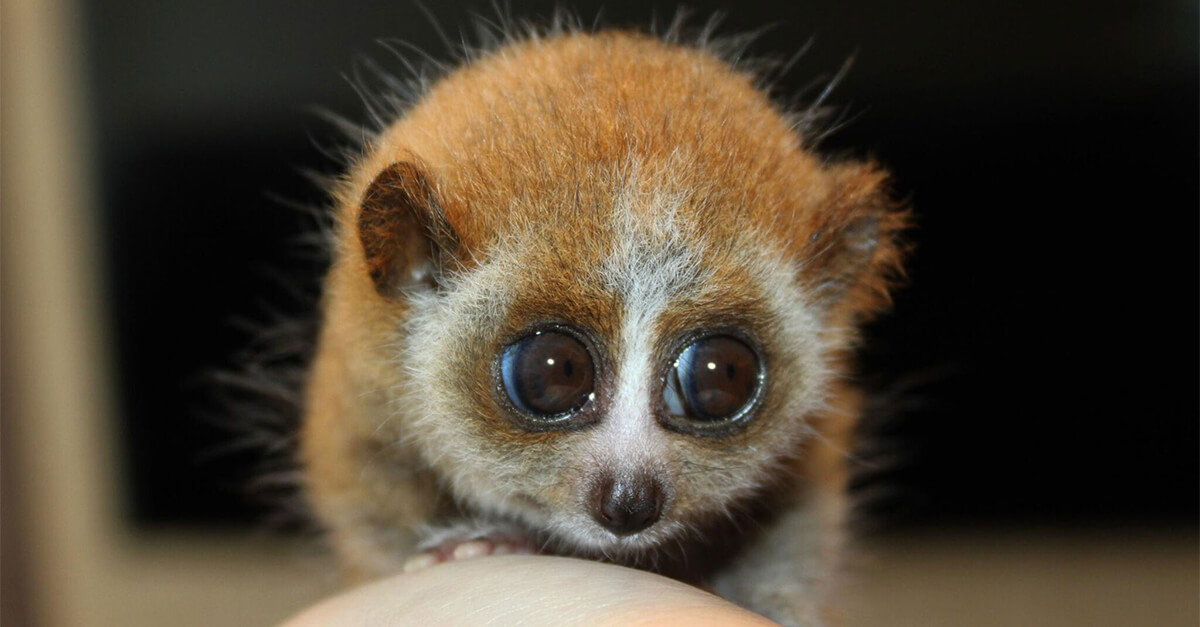
However, owning an exotic pet from Asia is a significant commitment that goes beyond mere fascination. It requires an understanding of specific ecosystems, specialized diets, and a deep respect for international wildlife regulations. This article explores the most popular exotic pets from Asia, the responsibilities they entail, and the ethical considerations every potential owner must weigh.
The World of Asian Reptiles: From Geckos to Pythons
Asia is perhaps best known in the exotic pet trade for its stunning variety of reptiles. These cold-blooded companions are favored for their prehistoric appearance and, in some cases, their manageable space requirements.
The Leopard Gecko (Pakistan, India, Afghanistan)
While widely captive-bred today, the Leopard Gecko originated in the rocky, dry regions of South Asia. Unlike many other geckos, they possess eyelids and lack the sticky toe pads that allow others to climb walls. Their docile nature and the ease with which they can be handled make them the “gateway” reptile for many beginners. Their vibrant “morphs” or color patterns continue to make them a staple in the exotic community.
The Reticulated Python (Southeast Asia)
On the other end of the spectrum is the Reticulated Python. Holding the title for the world’s longest snake, these giants are native to the rainforests of Southeast Asia. While they are marvels of nature, they are only suitable for expert keepers. They require massive enclosures, specialized humidity controls, and significant financial investment for their diet. Their presence in the pet trade highlights the need for owners to research the adult size of an animal before purchase.
Avian Wonders: The Intelligent Parrots of Asia
Asia’s avian diversity is legendary, particularly among the parrot family. Asian parrots are often characterized by their striking plumage and remarkable cognitive abilities.
The Indian Ringneck Parakeet
These birds have been kept as pets for thousands of years, even by royalty in ancient India. Known for their distinct colored neck rings (in males) and their ability to learn an extensive vocabulary, they are highly social and intelligent. However, they are also known for being “independent” and sometimes “nippy,” requiring consistent socialization and mental stimulation to prevent boredom-induced behaviors.
The Plum-headed Parakeet
Smaller and slightly quieter than the Ringneck, the Plum-headed Parakeet is a jewel of the Indian subcontinent. They are admired for their stunning color gradients—a deep purple head on the males—and their generally peaceful demeanor. Like all parrots, they require a diet far more complex than simple seeds, necessitating fresh fruits, vegetables, and high-quality pellets.
Ornamental Fish: The Living Jewels of Southeast Asia
No discussion of Asian exotic pets would be complete without mentioning the “Betta” fish and the “Arowana,” which have turned aquarium keeping into a form of living art.
The Siamese Fighting Fish (Thailand)
Commonly known as the Betta, these fish are native to the rice paddies and stagnant waters of Thailand (formerly Siam). While they are often sold in small bowls, this is a misconception of their needs. In a proper exotic setup—with heaters and filtration—Bettas display incredible intelligence and can even be trained to recognize their owners.
The Asian Arowana
Known as the “Dragon Fish,” the Asian Arowana is perhaps the most expensive exotic pet in the world. In many Asian cultures, they are believed to bring luck and prosperity. Because they are a protected species under CITES (Convention on International Trade in Endangered Species), owning one requires strict legal documentation and microchipping. They are a symbol of the intersection between cultural belief and exotic pet keeping.
The Responsibility of the Exotic Owner
Owning an animal from a different continent brings unique challenges. The primary responsibility of an exotic pet owner is “husbandry”—the act of replicating a natural habitat within a home environment.
- Climate Control: Many Asian species come from tropical climates. This means owners must invest in high-quality thermostats, hygrometers, and specialized lighting (UVB) to ensure the animal can digest food and maintain its immune system.
- Specialized Diet: An exotic pet cannot eat standard “pet food.” Whether it is live insects for a gecko or specific vegetation for a tortoise, sourcing the correct nutrition is a lifelong commitment.
- Veterinary Care: Standard veterinarians often do not treat exotic species. Potential owners must ensure they have access to an “Exotic Vet” who understands the specific anatomy and illnesses of Asian wildlife.
Ethical Considerations and Conservation
The trade in exotic pets from Asia is not without controversy. Many species have been driven to the brink of extinction due to over-collection for the pet trade and habitat loss.
Captive-Bred vs. Wild-Caught
The most important ethical choice an owner can make is to choose “captive-bred” animals. These are pets born in a controlled environment. Wild-caught animals often carry parasites, suffer extreme stress during transport, and their removal from the wild disrupts local ecosystems.
Legal Compliance
Before acquiring an Asian exotic pet, it is vital to check local and international laws. Some species are illegal to own in certain countries, while others require specific permits. Being an ethical owner means ensuring your pet was obtained legally and sustainably.
Conclusion
Asian exotic pets offer a window into the incredible biodiversity of the largest continent on Earth. Whether it is the quiet charm of a Leopard Gecko or the vibrant intelligence of an Indian Ringneck, these animals bring a unique energy into the home. However, the beauty of these creatures comes with a heavy burden of care.
To own an exotic pet is to be a steward of a small piece of the natural world. By prioritizing education, ethical sourcing, and meticulous care, enthusiasts can enjoy the company of these extraordinary animals while ensuring that their species continue to thrive both in captivity and in their ancestral Asian homes. The true allure of an exotic pet lies not in its rarity, but in the profound respect we show for its unique place in the web of life.
