Posted in

Healing the Wild: The Science, Ethics, and Daily Reality of Caring for Wildlife

When an injured owl arrives at a rescue center, or a disoriented sea turtle washes ashore on a crowded beach, an extraordinary and often invisible network of professionals springs into action. Wild animal care—often referred to as wildlife rehabilitation and conservation medicine—occupies a unique niche within animal care. Unlike domestic veterinary practice, where the goal is to treat a pet and return it to a loving home, the ultimate objective of wild animal care is absolute return to the wild. Every medical decision, feeding regimen, and physical enclosure is built around a single principle: helping wild animals heal without allowing them to lose their natural instincts or become habituated to human presence.

Across the globe, wildlife care has evolved from well-meaning hobbyism into a highly disciplined science. It bridges field biology, emergency medicine, behavioral science, and ecological ethics to give individual animals a second chance at survival.
The Triad of

… Read more
Posted in

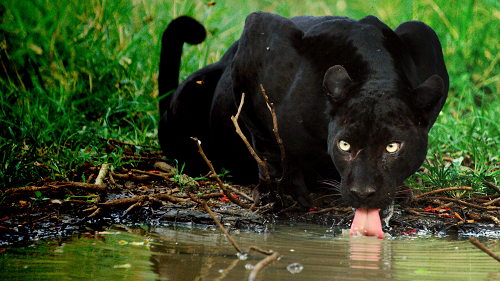
Ghost of the Americas: Why Jaguars Are Less Common in Zoos Than Lions

When walking through a modern zoological garden, visitors almost always expect to see the “King of the Jungle.” Lions are the quintessential zoo exhibit—charismatic, social, and often found lounging in plain sight. However, as you move through the big cat enclosures, you might notice a conspicuous absence. While you may see tigers, leopards, or lions, the jaguar is often missing or tucked away in a specialized, highly secured exhibit that feels vastly different from the open savannas of the lions.

This leads to a fascinating question for wildlife enthusiasts: Why is the jaguar not kept in zoos as frequently or as easily as lions? The answer lies in a complex mix of evolutionary biology, behavioral psychology, and the sheer mechanical power of the Americas’ greatest predator.


The Fundamental Difference in Social Structure

To understand why lions are “easier” to exhibit, we must look at their social nature. Lions are the … Read more

Posted in

the Wild: Exploring the Majestic World of Lions, Tigers, and Big Cats

In the vast hierarchy of the animal kingdom, few creatures command as much respect, awe, and primal fear as the big cats. Belonging primarily to the genus Panthera, these apex predators are the ultimate symbols of power, grace, and evolutionary perfection. From the sun-drenched savannas of Africa to the snow-laden forests of Siberia, big cats have adapted to almost every climate on Earth, carving out roles as the guardians of their respective ecosystems.

However, the world of big cats is not a monolith. Each species possesses a distinct biological blueprint, social structure, and hunting strategy that separates it from the others. Understanding the nuances between lions, tigers, and their relatives is essential to appreciating the delicate balance of the natural world and the urgent need for their conservation.


The Lion: The Social Monarch of the Savanna

The African lion (Panthera leo) is unique among big cats for … Read more

Posted in

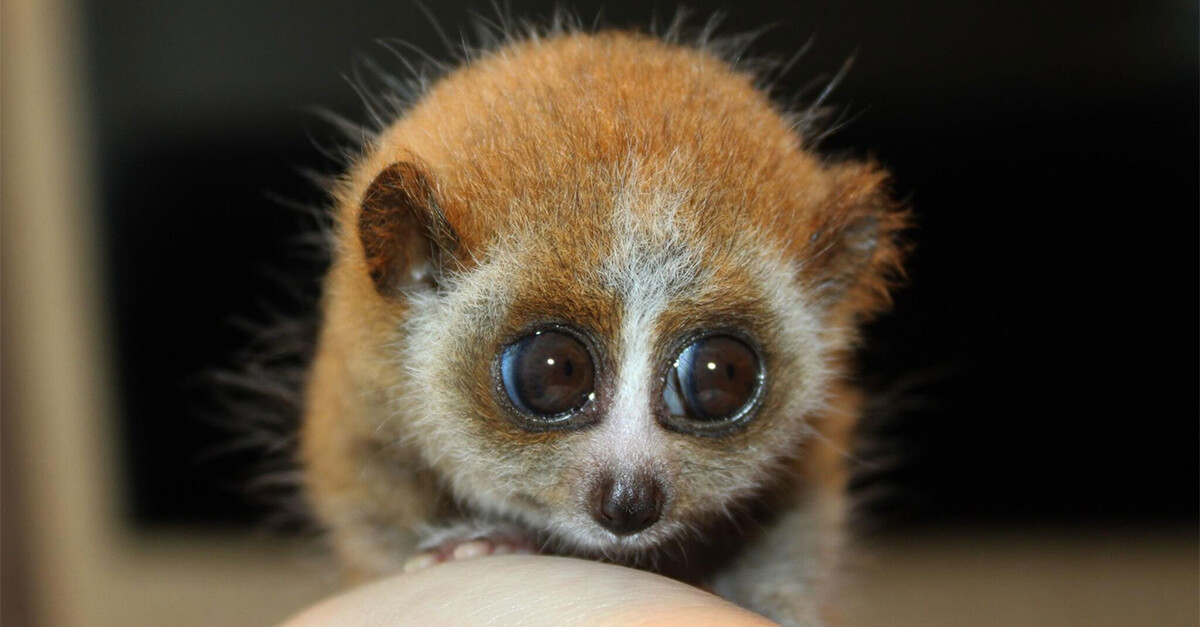
The Allure of the East: Popular and Unique Exotic Pets from Asia

For centuries, Asia has been a continent of mystery, biodiversity, and breathtaking landscapes. From the dense tropical rainforests of Indonesia to the arid plains of Central Asia, the region is home to some of the most fascinating creatures on Earth. In recent years, the interest in “exotic pets“—animals that are not traditionally domesticated like dogs or cats—has surged globally. Many of these sought-after companions trace their origins back to the Asian continent.

However, owning an exotic pet from Asia is a significant commitment that goes beyond mere fascination. It requires an understanding of specific ecosystems, specialized diets, and a deep respect for international wildlife regulations. This article explores the most popular exotic pets from Asia, the responsibilities they entail, and the ethical considerations every potential owner must weigh.


The World of Asian Reptiles: From Geckos to Pythons

Asia is perhaps best known in the exotic pet trade for … Read more

Posted in

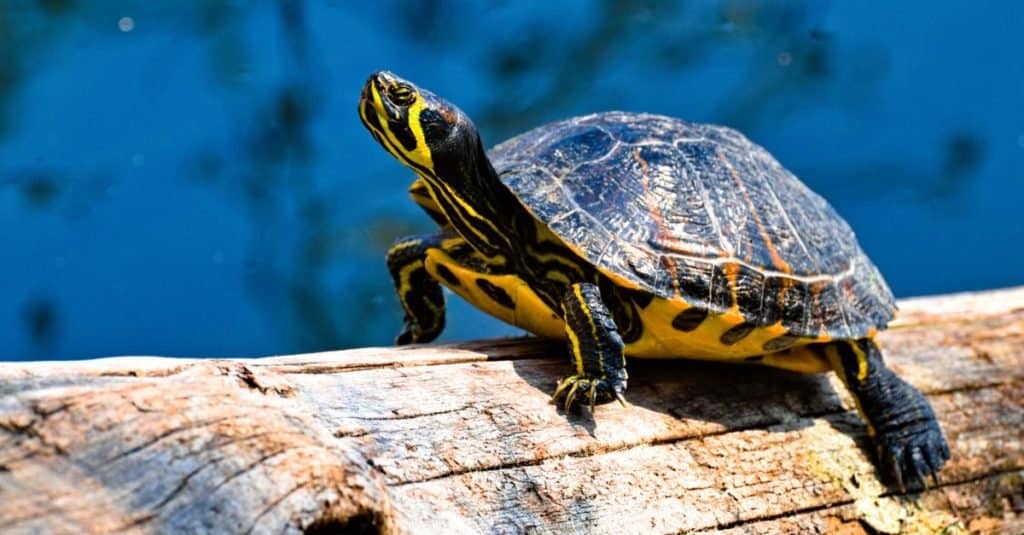
A Comprehensive Guide to Owning Reptiles and Exotic Pets

The landscape of pet ownership has shifted dramatically over the last decade. While dogs and cats remain the undisputed kings of the household, a growing number of animal lovers are looking toward the scales, shells, and unique behaviors of the exotic world. Choosing to bring a reptile or an exotic mammal into your home is more than just a hobby; it is a commitment to understanding a biological rhythm vastly different from our own.

This article explores the allure of these unique creatures, the essential requirements for their care, and how to decide if the exotic life is the right fit for you.


The Growing Appeal of Exotic Companions

Why choose a bearded dragon or a sugar glider over a golden retriever? For many, the appeal lies in the fascination of the prehistoric. There is something undeniably captivating about watching a chameleon hunt with surgical precision or observing the … Read more