The landscape of pet ownership has shifted dramatically over the last decade. While dogs and cats remain the undisputed kings of the household, a growing number of animal lovers are looking toward the scales, shells, and unique behaviors of the exotic world. Choosing to bring a reptile or an exotic mammal into your home is more than just a hobby; it is a commitment to understanding a biological rhythm vastly different from our own.
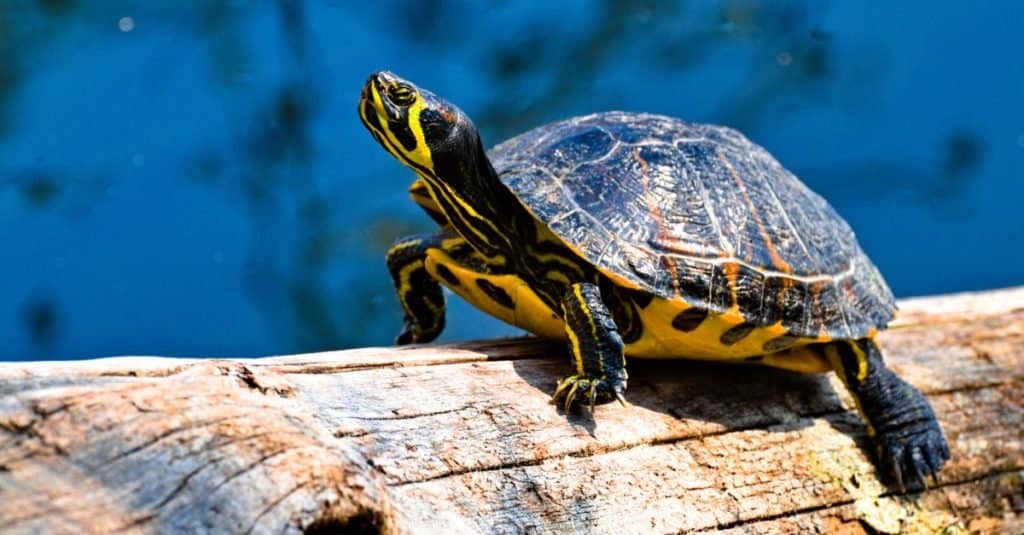
This article explores the allure of these unique creatures, the essential requirements for their care, and how to decide if the exotic life is the right fit for you.
The Growing Appeal of Exotic Companions
Why choose a bearded dragon or a sugar glider over a golden retriever? For many, the appeal lies in the fascination of the prehistoric. There is something undeniably captivating about watching a chameleon hunt with surgical precision or observing the slow, deliberate movements of a Russian tortoise.
Furthermore, exotic pets often fit modern lifestyles in ways traditional pets cannot. Many reptiles do not require daily walks, are hypoallergenic, and can thrive in apartment settings where space is at a premium. They are “living art,” offering a window into ecosystems—deserts, rainforests, and scrublands—that most of us will never visit in person.
Popular Choices for Beginners
If you are new to the world of herpetology or exotic mammals, starting with a species that has a well-documented care routine is vital. Here are some of the most recommended “entry-level” exotic pets:
1. The Bearded Dragon
Often cited as the best “starter” lizard, bearded dragons are known for their docile nature and quirky social behaviors, such as the famous “arm wave.” They require a significant initial investment in lighting and heating, but their hardiness makes them forgiving for beginners.
2. The Leopard Gecko
These nocturnal lizards are perfect for those who work during the day. They stay relatively small, don’t require expensive UVB setups as intensely as diurnal lizards, and come in a stunning array of colors and patterns known as “morphs.”
3. The Ball Python
For those interested in snakes, the Ball Python is a classic choice. They are slow-moving, generally reluctant to bite, and stay at a manageable size (usually 3 to 5 feet). Their sedentary lifestyle means they don’t require massive enclosures compared to more active species.
4. Axolotls
Moving into the aquatic exotic realm, the Axolotl has become a viral sensation. These Mexican salamanders remain in their larval stage throughout their lives. While they are fascinating to watch, they require pristine water chemistry and cool temperatures, making them a lesson in patience and chemistry.
The Three Pillars of Exotic Pet Care
Unlike a dog that can adapt to the temperature of your living room, exotic pets are often ectothermic (cold-blooded) or have specific environmental needs that must be met to ensure survival.
Habitat and Microclimates
An enclosure is not just a tank; it is a self-contained ecosystem. You must provide a thermal gradient, allowing the animal to move between a “basking spot” to raise its body temperature and a “cool end” to prevent overheating. Humidity is equally important; a tropical gecko kept in a dry room will suffer from respiratory issues and “stuck shed,” which can lead to infections.
Specialized Nutrition
Exotic pets rarely eat “kibble.” Depending on the species, you may need to manage a steady supply of:
- Live Insects: Crickets, dubia roaches, and mealworms.
- Frozen/Thawed Rodents: For snakes and larger lizards.
- Specific Vegetation: A precise mix of calcium-rich greens and limited fruits.
- Supplements: Calcium and Vitamin D3 powders are non-negotiable for preventing Metabolic Bone Disease (MBD).
Specialized Veterinary Care
Your local neighborhood vet might be an expert on Labradors, but they may not have the training to treat a prolapse in a frog or a respiratory infection in a python. Before buying an exotic pet, you must locate an Exotics Specialist in your area. These visits are often more expensive than standard pet care, so budgeting is essential.
Ethical Considerations and Sourcing
One of the most important aspects of the exotic pet trade is ensuring that your new companion was captive-bred (CB) rather than wild-caught (WC). Wild-caught animals often carry heavy parasite loads, struggle to adapt to captivity, and their removal from the wild can damage local ecosystems.
By supporting reputable breeders, you ensure that you are getting a healthy animal while also protecting wild populations. Always ask for documentation and check the reputation of the seller within the hobbyist community.
Is an Exotic Pet Right for You?
Before taking the plunge, ask yourself the following questions:
- Longevity: Some tortoises can live for 50 to 100 years. Even a leopard gecko can live for 20 years. Are you prepared for a two-decade commitment?
- The “Ick” Factor: Are you comfortable keeping a bin of live roaches in your house? Are you okay with keeping frozen mice in your freezer?
- Cost: While the animal itself might be cheap (e.g., a $25 corn snake), the enclosure, specialized lighting, and thermostats can easily cost $300 to $500.
Conclusion
Reptiles and exotic pets offer a unique and rewarding experience for those willing to do the research. They challenge us to learn about biology, lighting physics, and complex nutrition. While they may not wag their tails when you come home, there is a profound sense of satisfaction in earning the trust of a creature that views the world through a completely different lens.
If you are a person who values observation, precision, and the beauty of the natural world, the exotic pet hobby might just be the most rewarding journey you ever take.
